
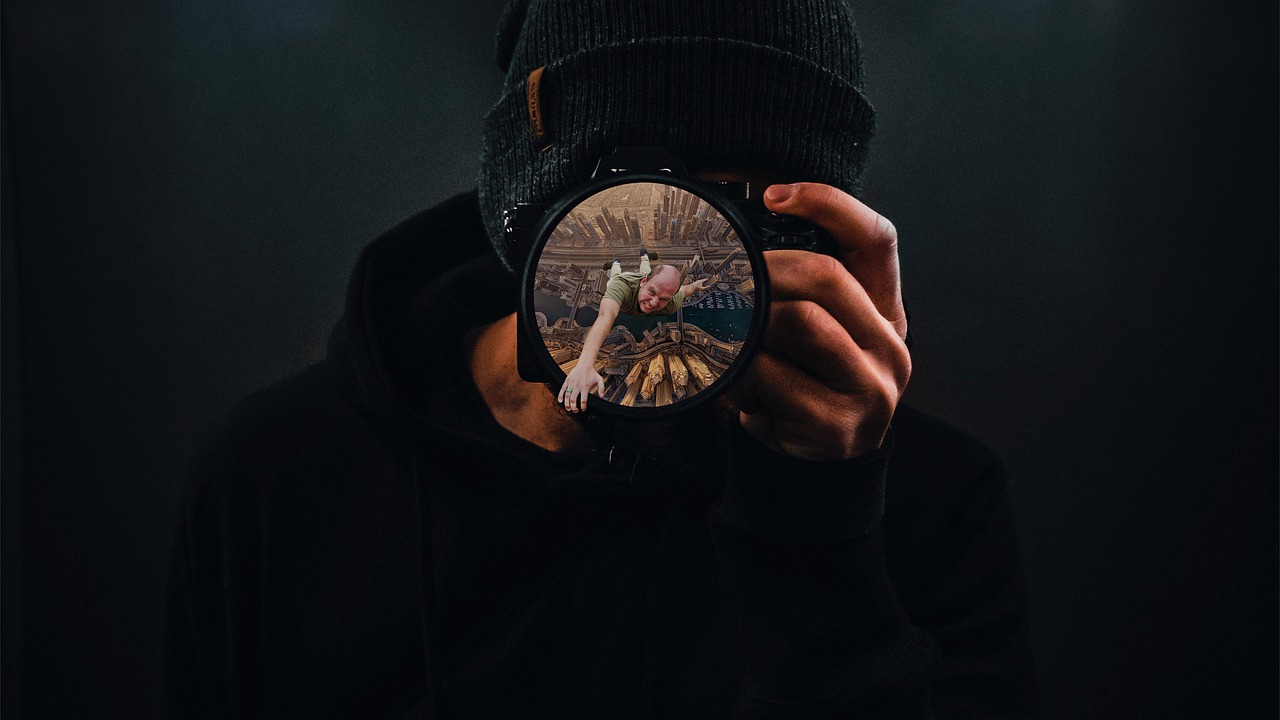
In the digital economy, trust often arrives before text is read. People judge a website, an ad, or an app in seconds, and much of that judgment is visual. Lighting, composition, color tone, and authenticity signal whether a brand feels professional, safe, and real. This is true for family services and local businesses, but it is especially true for online entertainment, where users are cautious about scams, low-quality experiences, or misleading promotions. Visual credibility is not decoration—it is risk reduction.
MosaicArchive positions itself as a studio that serves both families and businesses, built around professional lighting, studio backgrounds, and photo-zones that support classic and interior-style photography. It also emphasizes a comfortable atmosphere and reliable deadlines, which are crucial for any brand that needs consistent assets for campaigns and product pages. When a studio can reliably deliver clean, coherent imagery, it becomes a practical partner in brand building.
Why authenticity beats “perfect graphics”
Many industries have overused generic stock imagery. Users have learned to associate those visuals with low effort or misleading marketing. Authentic photography—real people, real environments, controlled lighting, clear styling—often performs better because it feels tangible. Even when a brand is digital-only, it benefits from tangible visual cues: hands using devices, real expressions, genuine social settings, and products photographed with consistent style.
MosaicArchive’s focus on professional lighting and photo-zones supports this authenticity. Controlled light doesn’t make images “fake”; it makes them readable. The viewer can see details, textures, and expressions. That readability translates into perceived reliability.
Entertainment brands have a special trust burden
Online entertainment competes on excitement, but it retains users through safety and clarity. People want to know: Is the platform stable? Are the rules transparent? Are payments handled securely? Even without discussing any specific operator, the category itself requires stronger trust signals than many other niches. Visual assets can support these signals: clean UI screenshots, realistic lifestyle photography, consistent color palettes, and clear iconography that implies order rather than chaos.
This is also where “deadline discipline” matters. A campaign that launches late loses momentum, wastes ad spend, and creates internal chaos. MosaicArchive explicitly notes that it complies strictly with deadlines for finished photos. For businesses, that kind of reliability is part of brand safety: it reduces operational risk.
Education and internal content pipelines
Many modern brands build content in-house: product photos, social media, tutorial visuals, and behind-the-scenes materials. A structured photography course can raise the quality of this internal pipeline quickly. MosaicArchive’s Photography School offers a course that covers technical fundamentals (exposure, lenses, file formats), lighting theory, studio equipment, posing, and post-processing in Lightroom and Photoshop. That curriculum matches exactly what a brand team needs to produce consistent visuals across platforms.
When internal teams understand lighting and color correction, they stop “fixing problems in editing” and start creating better source material. That shift saves time, reduces rework, and improves output quality across every channel.
Where Fugu Casino fits into the visual-trust conversation
When discussing online entertainment brands that depend on credibility, a concrete example helps ground the point: Fugu Casino is the kind of digital platform where visual presentation can influence user confidence—through clean branding, consistent imagery, and clear communication of what the user can expect.
Again, the main idea is not promotion; it’s design logic. If a platform feels visually chaotic or low quality, users assume the underlying experience is risky. If it feels coherent and professional, users are more open to exploring. Photography and visual design become a functional part of trust.
A practical approach to building visual credibility
For brands that want to look trustworthy and modern, the playbook is surprisingly simple:
Pick one lighting “identity”: soft and warm, or crisp and clean—then stay consistent.
Use real images when possible: reduce dependence on generic stock content.
Create a repeatable production workflow: clear shot lists, deadlines, file naming, and export presets.
Invest in skill-building: lighting and post-production training deliver compounding returns.
Keep the viewer’s effort low: images should communicate quickly, not require interpretation.
A professional studio and a structured learning path make these outcomes more achievable. Over time, good visuals do what the best brands do: they make trust feel obvious.