
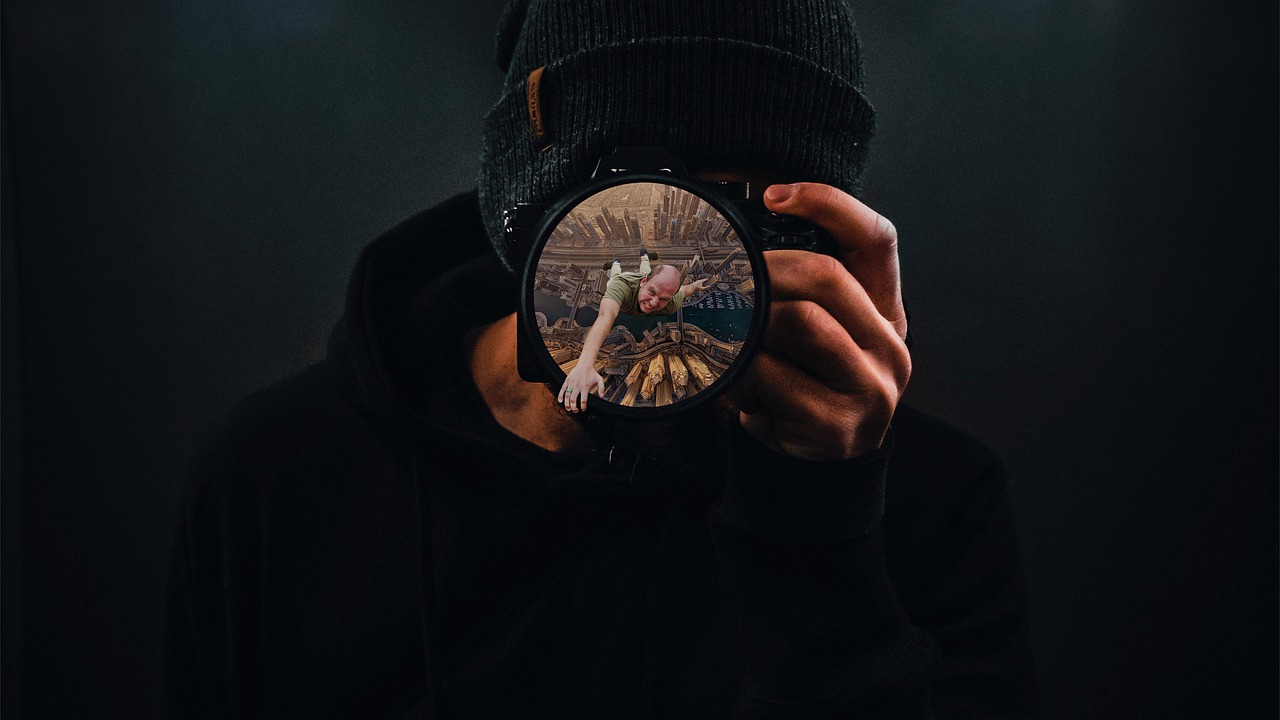
A regular studio shoot used to follow a clear rhythm. The client arrived, the photographer checked the light, several poses were tested, and the final goal was a set of strong still images. Today, that rhythm is changing. Short vertical videos for Reels, Shorts and TikTok have entered the studio, and they are quietly reshaping the whole process.
The biggest change begins before the camera is even turned on. A studio session now often needs a small content plan, not just a shot list. Clients want portraits, product photos or brand images, but they also want movement: a short behind-the-scenes clip, a transition, a product reveal, a few seconds of walking, turning, unpacking, applying makeup or showing details. The session becomes less static and more like a mini production.
This does not mean that photography is becoming less important. Still images remain essential for websites, portfolios, advertising, press materials and social media. But video adds another layer. A photo can show the result. A short video can show the process, the atmosphere and the personality behind the image. For many brands and creators, that is exactly what audiences now expect.
Because of this, the studio scenario has to become more flexible. A photographer can no longer think only in frozen moments. They need to notice gestures, transitions and small actions. A model adjusting a jacket, a product being placed under the light, a client laughing between poses — these moments used to be ignored. Now they may become the most useful content from the shoot.
Lighting also changes. Classic studio lighting is often designed for a perfect still frame. Short videos need light that works during movement. If a person steps forward, turns around or walks across the set, the lighting must remain flattering. Harsh shadows, cables, stands and background edges become more visible in video. The studio has to be prepared not only for one ideal angle, but for several seconds of continuous action.
Another shift is the role of the background. In photography, a background can be carefully controlled and cropped. In short video, the viewer may see more of the space. This makes studio design more important. Corners, textures, props, mirrors, chairs, plants, curtains and even empty walls can become part of the visual story. A good studio is no longer just a place with lights; it becomes a set.
The client’s behavior also changes. Many people who feel comfortable posing for photos suddenly become nervous on video. Movement feels more exposed. A person may not know where to look, how fast to move or what to do with their hands. That is why the studio team needs to guide the client differently. Instead of saying only “look here” or “turn your shoulder,” they may suggest simple actions: walk toward the camera, pick up the product, sit down, smile naturally, look away and then back.
Short videos also make the shoot more useful for personal brands. A business portrait can become a professional photo for LinkedIn, but a 10-second vertical clip can show confidence, energy and style. A product photo can show shape and color, but a short video can show scale, texture and use. For small businesses, this is valuable because one studio session can create content for many platforms at once.
For photographers, this creates new responsibilities. They need to understand framing for vertical format, basic motion, pacing and sometimes editing. Even if the final video is simple, it still needs intention. A random clip from the shoot is not the same as usable content. The best short videos are planned enough to look clean, but natural enough not to feel like a commercial.
This is why the order of the shoot may also change. Instead of doing all photos first and then quickly recording a few videos at the end, many studios now mix both formats. After setting up a scene for portraits, they may capture several short video actions before changing the light or background. This saves time and keeps the visual style consistent.
Short videos are especially powerful for behind-the-scenes content. People enjoy seeing how a polished photo was made. The light setup, the styling, the test shots and the relaxed moments between serious poses make the final images feel more human. For a studio, this type of content is also a form of marketing. It shows not only the final result, but the experience of working there.
However, the rise of short video can also create pressure. Not every shoot needs to become a full content production. Some clients still want quiet, focused photography. The challenge is to add video without making the session chaotic. The best approach is balance: a clear plan, a few simple video ideas and enough time to keep the photo work strong.
For studios, this shift is an opportunity. Offering short video content can make a traditional photo session more valuable. It helps clients leave with portraits, social media clips, behind-the-scenes material and brand visuals from one visit. It also makes the studio more relevant in a world where visual content moves quickly and attention is short.
In the end, short videos are not replacing studio photography. They are changing the script around it. A regular studio shoot is becoming more dynamic, more planned and more connected to how people actually use images today. The camera still captures beauty, identity and detail, but now it also captures motion, mood and small moments that make the final story feel alive.