
A practical guide for families who want polished photos without looking staged.
There’s a narrow line between “put together” and “this was clearly overthought,” and family photos tend to find it fast.
Most people do not want pictures that scream styled. They want to look like the best, most rested, slightly more coordinated version of themselves. That is especially true for studio sessions, where the background is simple and clothing does more of the visual work. A stiff dress, a too-trendy print, or four people dressed like separate Pinterest boards can date a photo in a hurry.
If you’re wondering what to wear for family photos, the simplest answer is this: choose outfits that feel coherent, comfortable, and recognizably yours. Not identical. Not costume-y. Just intentional enough that the family looks visually connected when you’re standing close together.
Start with one “anchor” look, not four separate outfits
One reason families get stuck is that they try to dress everyone at once. It usually works better to begin with one outfit – often mom’s dress, a baby’s knit set, or the piece that feels most occasion-specific – and build around it.
That anchor gives you a palette and a level of formality. If it is a soft oatmeal dress with movement, the rest of the family can echo that softness through muted colors, knits, brushed cotton, or denim in a clean wash. If it is a more tailored maternity look, everyone else can lean slightly more polished too.
This is where many family photo outfit ideas go wrong: every person is dressed well on their own, but nobody looks like they belong in the same frame.
Think in color families, not exact matches
Matching white shirts and jeans had a long run because it was easy. It also flattens everyone into the same visual note.
A stronger approach is coordinating colors for family pictures rather than matching them exactly. Pick two or three main tones and let them repeat naturally across the group. Cream, camel, olive, dusty blue, rust, charcoal, soft blush, warm gray – these kinds of shades usually photograph well because they tend to work across skin tones and do not dominate the image.
You do not need everyone in beige. You do need one person’s bright neon top not to hijack the entire frame.
A helpful test: lay all the outfits on a bed together. If one item jumps out first for the wrong reason, it will probably do the same in the photo.
A few combinations that usually feel calm and current in studio family photo outfits:
- cream, tan, and faded blue
- olive, rust, and warm denim
- soft gray, oatmeal, and muted mauve
- navy, camel, and ivory
Texture is what keeps neutrals from looking flat
In a studio, texture creates depth when the setting is intentionally simple. A ribbed knit, linen blend, gauzy cotton, soft corduroy, or a dress with gentle movement gives the image life without needing loud color or print.
This matters in newborn photo session outfits too. The strongest photos often rely on softness: knit blankets, cotton wraps, simple dresses, tiny ribbed sets, a cardigan with shape. You do not need a lot happening. You just need enough variation that everyone does not blur into one block of fabric.
Fit matters more than size labels
A good color palette cannot save an outfit that makes someone feel tugged, exposed, or distracted. If you’re adjusting straps, pulling at sleeves, or worrying about a waistband every few minutes, it will show up in your posture.
Choose pieces that let you sit, bend, lift a child, and lean into other people without a second thought. That is the difference between a natural family photo and one where everyone looks slightly braced.
For women, a dress with movement usually photographs better than one that is body-conscious but restrictive. For men, soft structure tends to win over anything too stiff – think a well-fitting button-down, henley, sweater, or overshirt rather than something that looks borrowed from a boardroom. For children, if they cannot run, squat, or be held comfortably in the outfit, it is probably the wrong outfit.
What tends to date photos quickly
Some styling choices do not look bad in the moment. They just age a photo fast.
The usual culprits are large logos, graphic tees, tiny high-contrast patterns, heavily distressed denim, shoes that clash with the overall formality, and too many statement pieces in one family. The goal is not to make everyone bland. It is to avoid details that pull attention away from faces and connection.
One useful question is: would I still like this outfit in three years if I saw it framed in my hallway every day? If the answer is “maybe, but it feels very trend-of-the-minute,” scale it back.
Dressing children without making them look fussy
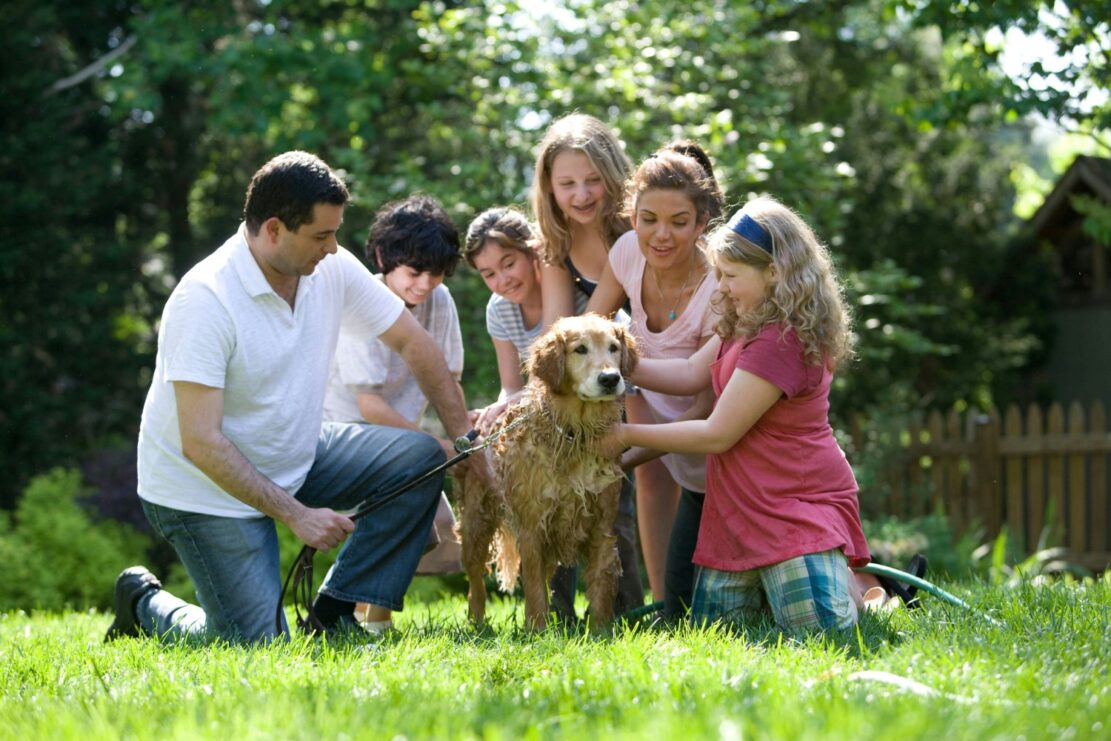
Children’s outfits often set the emotional tone of the whole session. When kids are itchy, restricted, or worried about keeping a special outfit clean, the mood shifts immediately.
The best children’s looks tend to be simple, soft, and easy to move in. Think knit rompers, dresses with room to twirl, a textured cardigan, clean overalls, or a soft collared shirt. One charming detail is usually enough. More than that can tip into costume.
And bring a backup. Not because disaster is guaranteed, but because children have excellent timing when it comes to spills.
Maternity and newborn sessions need a slightly different mindset
Maternity photo shoot outfit tips are often too focused on “flattering” and not focused enough on ease. The best maternity outfits usually define shape without forcing it. Dresses that skim and drape tend to photograph beautifully because they create line and movement at the same time. Stretchy ribbed knits, soft wrap dresses, open cardigans over fitted basics, and monochrome looks can all work well.
For newborn sessions, parents sometimes assume they need to dress up more than the baby. Usually the opposite approach works better. Keep everyone soft and understated so the baby remains the visual center. Neutral tops, easy dresses, knitwear, and clean lines tend to feel right.
Do a full try-on, including the small details
Families often spend a week deciding on color and then forget the bottom half of the outfit. Shoes matter. So do socks, bra straps, watch bands, hair ties on wrists, and an undershirt peeking through at the wrong angle.
Before the session, do a full try-on, including shoes. Sit on the floor. Pick up the baby. Lift a toddler. See what shifts, wrinkles oddly, pulls open, or suddenly looks too formal. This kind of five-minute rehearsal catches more problems than a mood board ever will.
If you wear glasses every day, wear them. If your child always has a favorite cardigan, that may belong in the session more than a brand-new outfit that technically matches. Photos usually feel strongest when they preserve family resemblance in style, not just in faces.
A good outfit should support the mood, not become the mood
The best family photos do not ask the clothes to do all the work. They use clothing to remove distraction, create a little visual harmony, and let real expression carry the frame.
Choose outfits that feel one step more intentional than everyday life, not five steps removed from it. Stay inside a palette. Use texture. Prioritize comfort. Dress children like themselves on a good day. If something feels performative in the mirror, it will probably feel that way in the final gallery too.
And if you are still torn between the more fashionable option and the one that feels easy, pick the easy one. Comfort reads as confidence on camera. That almost never looks underdressed.